4) Miniature Donkey Shelter & Fencing: The USA Setup Guide for Safety and Health
Click the link ahead to see previous post on care Miniature Donkey Hoof Care in the USA: Prevent Lameness and Keep Them Comfortable
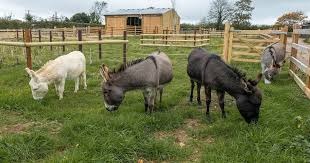
If you’re bringing a miniature donkey home(shelter & fencing)—especially from miniature donkeys for sale listings—you need to prepare your property before the arrival day. The most common problems for new donkey owners aren’t always medical. They’re housing-related: unsafe fencing, wet shelter areas, muddy footing, and inadequate protection from weather.
This guide covers a practical shelter & fencing setup you can apply across the United States—whether your climate is hot and humid, dry, snowy, or windy.
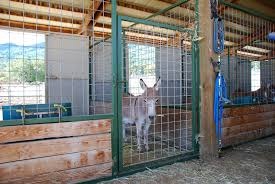
Shelter basics: what donkeys actually need
A good donkey shelter provides:
- protection from wind,
- a dry resting area,
- shade in hot weather,
- and a safe place to avoid stress.
- Shelter doesn’t have to be large or fancy. It must be functional and dry.
Bedding: keep it dry and clean
Bedding should be:
- dry,
- clean,
- and replaced regularly.
Wet bedding increases the risk of irritation and contributes to hoof and skin problems. If you can keep bedding dry, you can prevent a lot of discomfort.
Shelter & Fencing design: airflow + drainage
Your shelter placement matters:
- avoid low areas that collect water,
- ensure airflow to prevent dampness,
- and keep footing stable and safe.
If you’ve ever watched a donkey choose the driest spot instinctively, you already know how important dryness is.
Shelter & Fencing: safety comes first
Donkeys are strong and curious. Fencing must prevent:
- escape,
- tangling in hazards,
- and leg injuries.
When evaluating fencing, consider:
- whether your donkey can reach through gaps,
- whether it can push or lean on the fence,
- and whether the latch and gate are secure.
A fence doesn’t just keep your donkey in—it keeps your donkey safe.
Gate safety: the weak point
Many escape incidents happen because of gate issues. Do daily checks:
- latches working correctly,
- no broken hinges,
- no loose sections,
- and no wire gaps.
Footing matters: reduce mud exposure
Mud is more than messy—it increases hoof risk. To improve footing:
- keep frequently used areas cleaner,
- manage runoff and drainage,
- and create dry paths where possible.
Water access and shelter zones
Organize your space so your donkey can safely access:
- fresh water,
- forage,
- and dry bedding.
If your donkey has to walk through mud every time it drinks or eats, your hoof and comfort risks go up.
USA seasonal considerations (simple approach)
- Hot weather: shade + airflow + consistent water access.
- Rainy weather: drainage + dry bedding + reduce mud zones.
- Cold weather: wind protection + dry bedding (donkeys tolerate cold better than wet and wind).
- Snow regions: prevent water freezing and ensure safe footing.
A pre-arrival property checklist
Before your miniature donkey arrives:
- confirm fencing integrity,
- set up shelter with dry bedding,
- place water and hay where your donkey won’t get stuck or injured,
- remove sharp hazards,
- and plan a simple daily routine for clean-up and inspection.
Your donkey will settle faster when everything is prepared and predictable.
FAQ: Miniature Donkey Shelter & Fencing
1) Do miniature donkeys need barns?
They need shelter. A barn is optional—the key is wind protection and dryness.
2) What’s the most important fencing feature?
Safety and secure containment—no gaps, hazards, or weak latches.
3) Can donkeys live outside year-round?
Often yes, if they have shelter from wind and wet conditions and dry bedding.
4) How do I reduce mud?
Improve drainage, keep bedding dry, and limit time in consistently wet areas.
5) How much space do I need?
It depends on your system, but your donkey needs room to move safely, access forage, and stay out of mud.
Closing: Build a Home That Prevents Problems(shelter & fencing)
Miniature donkeys thrive when they feel safe. Shelter and fencing are not “extra”—they’re the foundation for health, calm behavior, and long-term comfort.
If you want to see our social media then click on the provided platforms ahead. They all have links to our profiles imbedded in them. INSTAGRAM & FACEBOOK