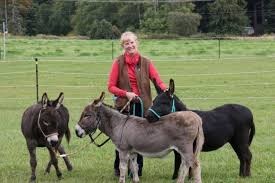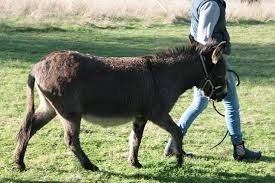
5) Bonding, Handling, and Training Miniature Donkeys: Calm Care for Long-Term Trust
Click the link ahead to read the previous post about Miniature Donkey Shelter & Fencing: The USA Setup Guide for Safety and Health
Training miniature donkeys : Miniature donkeys are famous for personality, and bonding is one of the most rewarding parts of ownership. But bonding doesn’t happen instantly. It’s built through routine care, calm handling, and respectful training practices.
If you’re considering miniature donkeys for sale—or you already brought your donkey home—this guide will help you build trust, reduce stress, and handle common behavior challenges.
Bonding starts with stability
The fastest bonding comes from consistency:
- feeding at the same times,
- predictable routines,
- gentle presence without pressure,
- and safe housing.
Donkeys are sensitive to changes. When you keep things calm, they respond.
The first 2 weeks of training miniature donkeys: go slow, observe more
If your donkey is new, your priority is settling. A smart plan:
- Days 1–3: minimize handling, give hay/water/shelter, speak calmly.
- Days 4–7: add short gentle interactions (touching shoulder/neck if tolerated).
- Days 8–14: practice handling steps only if the donkey is calm.
If your donkey shows fear (stepping back, pinned ears, kicking), pause. Trust grows with pressure-free repetition.
Learn donkey body language
Understanding donkey cues prevents accidents and improves bonding:
- Relaxed posture + comfortable ear position = trust and calm.
- Pinned ears + tensing = discomfort or stress.
- Tail swishing = annoyance or irritation (often during handling).
- Pacing/vocalizing = boredom, anxiety, or loneliness.
When you recognize what your donkey is telling you, you can adjust your approach.
Positive reinforcement training basics
The best donkey training approach is humane and reward-based:
- short sessions (5–10 minutes),
- reward calm behavior,
- avoid punishment for fear.
Even simple achievements—like approaching you calmly—are progress.
Teach practical handling skills
Start with what matters most:
- standing still for touch,
- accepting lead handling (if you use one),
- tolerating grooming,
- and cooperating for quick inspections.
You’re building habits so routine care (hoof checks, vet visits) becomes easier.
Common behavior problems when training miniature donkeys(and what they often mean)
1) Refusing to eat
Often stress, diet transition issues, or pain. If it lasts, contact a vet.
2) Escaping or fence testing
Often boredom, loneliness, or weak fencing. Check environment and social setup.
3) Kicking or striking during handling
Often fear or pain. Reassess and consider hoof/dental checks.
4) Excessive vocalizing
Often indicates stress or desire for companionship. Evaluate herd setup and routine.
Pain-first mindset
If behavior changes suddenly—aggression, withdrawal, refusal to move—assume pain could be involved. For donkeys, hooves are a top suspect. If behavior changes, check hooves and schedule professional evaluation.
Enrichment reduces stress naturally
Donkeys love safe browsing, gentle exploration, and calm routines. Enrichment can include:
- safe browse areas,
- rotational dry paddocks,
- fly-season management,
- and safe, supervised interaction with a companion.
A relaxed donkey is easier to train and easier to care for.
Safety tips for owners when training miniature donkeys
Always practice safe handling:
- approach calmly,
- avoid sudden movements,
- keep kids supervised,
- and don’t assume your donkey won’t spook.
Bonding is about respect and patience.
Long-term bonding plan to know when training miniature donkeys(what great owners do)
To keep trust strong:
- handle consistently but gently,
- maintain routines,
- address discomfort quickly,
- and schedule care (hoof trims, vet visits) without last-minute stress.
The more stable the care routine, the calmer your donkey becomes—and the more you’ll enjoy your miniature donkey life.
FAQ: Bonding & Training Miniature Donkeys
1) How long does bonding take?
Often a few weeks for comfort, and longer for deep trust depending on age and prior handling.
2) Are treats necessary for training?
Not strictly. For many donkeys, forage-based rewards work well. Keep treats limited.
3) What should I do if my donkey panics during handling?
Stop, reduce pressure, give time to settle, and try shorter sessions later.
4) Why is my donkey suddenly aggressive?
Assume pain or stress first. Check hooves/dental needs and consult a vet if needed.
5) Can two miniature donkeys bond with humans?
Absolutely—many donkeys become more confident with calm human interaction plus a secure companion.
Closing: Build Trust One Day at a Time
Bonding with miniature donkeys is a relationship—not a project. With calm routines, gentle handling, and quick attention to discomfort, your donkey will become more relaxed and more cooperative. That makes every aspect of care easier. You can reach out to us or check out our social media by clicking on the link below … https://www.instagram.com/littlelivestocklane?igsh=MWh6bm9ncW1lZ2U4bw== https://www.facebook.com/darrenmort11?mibextid=rS40aB7S9Ucbxw6v