Is a Miniature Horse Right for You? Pros, Cons, and True Costs
With their big personalities and adorable looks, it is easy to see why mini horses are skyrocketing in popularity and its easier owning a miniature horse. However, adding a mini to your family is a long-term commitment that requires careful consideration. Before purchasing, it is vital to weigh the pros and cons honestly and understand the true financial investment required to keep these animals healthy.
To see the previous post about miniature horse health click the link ahead Powerful Guidance On Miniature Horse Health Risks: Hyperlipemia, Laminitis and Dwarfism(1)
The Advantages of Owning a Miniature Horse
There are countless reasons to fall in love with miniature horses. They offer unique benefits that make them accessible to many animal lovers.
Companionable Size
Their compact size makes them much less intimidating than full-sized horses. They are easier to handle, transport, and manage, making them wonderful options for children, elderly individuals, or people with limited physical strength.
Lower Acreage Requirements
While a standard horse requires 1 to 2 acres of land, a miniature horse can live comfortably on a fraction of that space. A small pasture or large backyard lot can easily accommodate a pair of minis, making horse ownership possible in semi-rural environments. (owning a miniature horse)
Versatility and Lifespan
Minis are incredibly versatile. They can be trained for cart driving, agility courses, therapy work in hospitals, or simply loved as companion animals. Furthermore, they are exceptionally long-lived, frequently reaching 25 to 35 years of age with proper care. (owning a miniature horse)
The Challenges and Disadvantages
While they are small, they are not low-maintenance pets. Potential owners must be prepared for the realities of equine care.
They are Not House Pets
Despite viral videos online, miniature horses cannot live inside a human house. They cannot be reliably house-broken, and walking on slick indoor floors can destroy their joints and hooves over time. They require outdoor space, dirt, and fresh air to thrive. (owning a miniature horse)
Herd Mentality
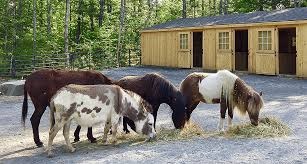
Horses are herd animals. A single miniature horse kept alone will often become lonely, depressed, stressed, and develop behavioral vices like pacing or chewing wood. You should plan on owning at least two minis, or housing a mini alongside a companion pony or donkey. (owning a miniature horse)
Specialized Health Risks
As discussed in previous articles, their efficient metabolism makes weight control a constant uphill battle. Owners must be diligent about restricting grass access and monitoring for signs of metabolic diseases like laminitis. (owning a miniature horse)
The True Financial Costs Breakdown
Many people buy a miniature horse thinking they will cost a fraction of a large horse. While they consume less food, their medical and maintenance costs are virtually identical to full-sized equines. (owning a miniature horse)
| Expense Item | Estimated Annual Cost (USD) | Notes / Details |
|---|---|---|
| Hay & Nutrition | $300 – $600 | Varies by region and local hay prices. |
| Farrier Trims | $300 – $500 | Required every 6–8 weeks; cannot be skipped. |
| Vet Exams & Vaccines | $250 – $500 | Core annual vaccines and general wellness check. |
| Dental Floating | $150 – $300 | Required yearly due to jaw overcrowding. |
| Bedding & Stall Care | $200 – $400 | Wood shavings or straw for shelter areas. |
| Total Baseline Annual Cost | $1,200 – $2,300 | Does not include emergency vet bills or initial gear. |
Final Considerations Before Buying
Before bringing a miniature horse home, audit your schedule and infrastructure. Ensure your fencing is secure, you have an equine veterinarian willing to service your area, and you have the daily time required for feeding, mucking stalls, and grooming. If you are prepared for the investment, a miniature horse will reward you with decades of joy and incomparable loyalty.