Best Miniature Cow Breeds: How to Choose by Size, Temperament, and Your Goals (With Care Differences)
Introduction
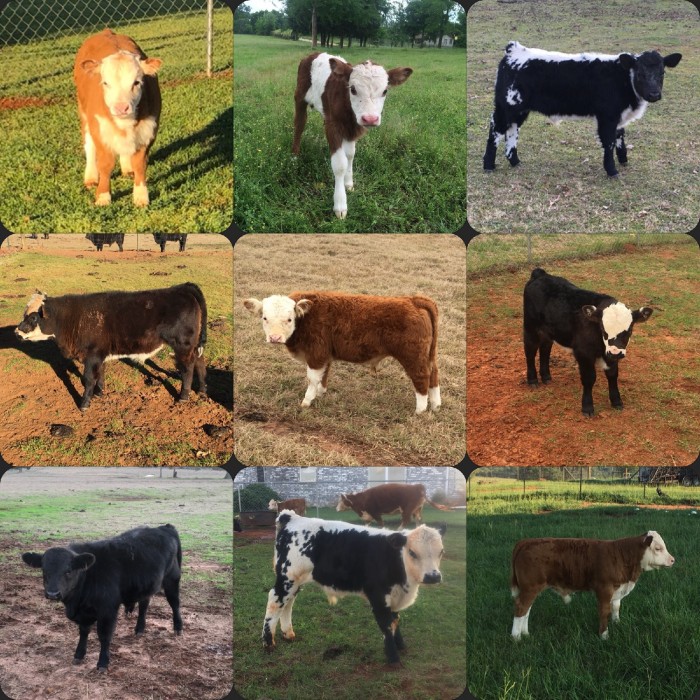
Picking among the miniature cow breeds is one of the most important decisions you’ll make if you’re planning to own miniature cows. Many people focus on how small a cow will look in photos. But the truth is that size isn’t the only variable—temperament, growth rate, feed needs, and climate resilience all matter.
This post helps you choose miniature cow breeds based on:
- Adult size expectations
- Temperament and handling friendliness
- Feeding and management differences
- Farm goals (companionship, hobby farming, small-scale production)
First: “Miniature” Isn’t a Single Standard
Different “miniature” claims exist:
- True smaller breeds
- Breeds with naturally smaller adult frames
- Marketing terms that may not reflect adult size
When evaluating a breeder or listing, consider:
- Parent animals’ size
- Photos of adult cows (not just calves)
- Documentation and reliable history
- Consistency in the herd line
If you want accuracy, look for evidence of mature size, not only “mini” babies.
How to Choose a Breed Based on Your Goals
Before you compare breeds, define your outcome:
- Companionship and gentle handling
- Small-scale meat production
- Milk or dairy interest
- Educational hobby farm
- Climatic needs (heat vs cold)
Some miniature cow breeds may be naturally more docile; others may be hardy and efficient grazers. Your preference for handling and management style also matters—some cattle respond better to consistent routines than others.
Breed Categories (Useful Framework)
Instead of treating every breed as identical, break them into practical categories:
1) Naturally smaller beef-type cattle
- Often rugged
- Great for people who want manageable size plus traditional grazing ability
2) Smaller heritage or dairy-influenced lines
- May offer different milk prospects (depending on breed and individual animal)
- Often need attentive feeding and routine
3) Miniature lines marketed for “small pet farm” use
- Can vary widely
- Require extra diligence: verify adult size and health history
This framework helps you compare options without getting lost in marketing terms.
Temperament: What to Look For
Temperament matters because it influences daily care. When possible, observe:
- How the animals behave when approached
- Whether they allow grooming and handling
- How they react to feeding time routines
- How they respond to being moved or separated briefly
A calm miniature cow can make daily care easier and safer for both you and the animal.
Size Expectations: What “Adult” Really Means
Ask breeders and sellers:
- “What is the typical adult weight for this line?”
- “How small will the animal likely be at maturity?”
- “Can you show adult photos of parents or siblings?”
Remember that even within “miniature” lines, variation occurs. Nutrition also affects final body size and body condition.
Climate and Health Considerations by Breed
All miniature cow breeds need appropriate environmental conditions. Some may tolerate:
- Cold better due to coat or hardiness
- Heat better with shelter and shade management
But the biggest difference you’ll feel as an owner is often not the breed alone—it’s whether your local environment matches your management system.
If your area has:
- Long winters → hay supply and shelter quality matter more
- Hot summers → shade, water flow, and heat stress awareness become critical
- Wet seasons → mud management and hoof health planning are essential
Care Differences You Should Expect
Different miniature cow breeds can influence:
- Growth rates (how quickly they “fill out”)
- Feed conversion (how efficiently they use pasture)
- Temperament response to handling
- Disease susceptibility related to herd management and stress
For example:
- A calmer breed may stress less during vet visits and hoof trimming.
- A more grazing-oriented breed may do well on pasture-heavy systems.
- A breed requiring more consistent feed balance may require careful supplement planning.
Selecting a Breeder or Seller (Avoid Costly Mistakes)
Miniature cow breeds can be expensive to mismanage. When choosing a source:
- Visit in person if possible
- Ask for health records
- Ask about deworming and vaccination history
- Request information about herd feeding routine
- Ensure the animal is healthy now (eyes, coat, appetite, movement)
If a seller cannot provide basic details, treat that as a red flag.
Conclusion
Choosing the right miniature cow breeds isn’t just about size—it’s about temperament, management fit, and long-term health. When you make a thoughtful selection, you set your future self up for success. Next, we’ll focus on housing and fencing so your miniature cows can thrive instead of just survive. Click to see previous post about beginners guide… Socials below