3) Miniature Donkey Hoof Care in the USA: Prevent Lameness and Keep Them Comfortable
Click to see previous post of care How to Care for Miniature Donkeys in the USA: Feeding, Water, Treats, and Daily Routine(Health)
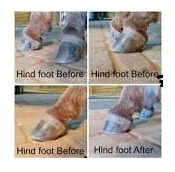
Hoofs are one of the most important parts of miniature donkey hoof care—and it’s also one of the most overlooked until a problem occurs. If you’re researching miniature donkeys for sale, you should also be researching hoof maintenance. The difference between a healthy donkey and a painful donkey is often regular inspection, trimming, and dry, clean living conditions.
This guide will show you how to build a miniature donkey hoof care routine that works across the USA.
Why hoof care is so important
Donkey hooves grow continuously. When hooves aren’t trimmed regularly:
- they can overgrow,
- wear unevenly,
- trap debris,
- and create pain.
Many lameness issues begin as subtle problems that worsen over time.
How often should you trim donkey hooves?
There isn’t one universal schedule for every donkey. Hoof growth depends on:
- genetics,
- environment (dry vs. wet),
- diet,
- and activity.
Many owners schedule trims every few months, but you should confirm your donkey’s needs based on an initial hoof assessment and follow-up recommendations from an experienced farrier or vet familiar with donkeys.
Daily hoof checks (the owner advantage)
A daily look takes only a minute and can prevent major problems. Check:
- Does your donkey walk comfortably?
- Is there limping or stiffness?
- Are hooves clean and free of debris?
- Do you notice cracks, swelling, heat, or odor?
- Also pay attention to behavior changes: discomfort often makes donkeys less interested in eating or moving.
Clean and dry matters: mud is a hoof enemy
Wet bedding and muddy corrals contribute to hoof issues. To support healthy hooves:
- keep sleeping areas dry,
- clean and refresh bedding regularly,
- remove manure so it doesn’t mix with moisture,
- and improve drainage if needed.
How to clean hooves safely
If you pick out debris daily:
- do it gently,
- avoid digging aggressively,
- and remove visible dirt carefully.
If your donkey is very sensitive or seems painful, don’t force cleaning—contact your farrier or vet.
Common hoof problems you may encounter
While each case needs professional evaluation, donkey owners often deal with:
- overgrowth-related imbalance,
- cracking or chipping,
- abscesses,
- and infection-related concerns.
Your goal is not to diagnose yourself—it’s to catch early warning signs and get help quickly.
Red flags: get professional help promptly
Call a professional when you notice:
- a sudden limp,
- swelling above the hoof,
- discharge or a strong odor,
- warmth in one area,
- severe cracks,
- or refusal to put weight on a leg.
Donkeys sometimes “tough it out,” but pain can lead to reduced appetite and stress. Early intervention protects long-term mobility.
Prepare your donkey for hoof care (handling training)
Many donkeys become calm and cooperative with gentle handling. You can build readiness by:
- touching and rewarding calm behavior near the legs,
- handling briefly and often,
- keeping sessions short and low-stress,
- and stopping before your donkey becomes tense.
Training makes farrier visits safer and easier.
Hoof care is part of overall donkey health
Hoof problems can affect:
- posture,
- digestion (because pain can reduce eating),
- and general wellbeing.
If your donkey’s behavior changes suddenly, consider pain first and check hooves as a priority.
FAQ: Miniature Donkey Hoof Care
1) What’s the most important hoof care habit?
Consistent inspection and scheduling trimming based on your farrier’s recommendations.
2) How can I prevent hoof problems?
Keep bedding dry, reduce mud exposure, inspect daily, and maintain a trimming schedule.
3) Should I clean hooves every day?
If your donkey tolerates it, daily debris checks are helpful—especially after muddy weather.
4) What if my donkey is limping?
Contact a vet or donkey-experienced farrier promptly. Pain can worsen quickly.
5) Is miniature donkey hoof care different from that of larger donkeys?
They require the same principles: regular maintenance and professional support. The schedule may differ based on growth and environment.
Closing: A Comfort Plan for Every Day
If you prioritize miniature donkey hoof care then the donkeys will be comfortable and lameness will be avoided. A simple daily check + consistent trimming + dry, clean housing can prevent many issues and keep your donkey moving well for years.
You can also check our social media by clicking on any of the media platforms below because they carry links to our profiles… Instagram & Facebook…. (miniature donkey hoof care, miniature donkey hoof care)