Miniature Cow Housing & Fencing: The Practical Guide to Pasture, Shelter, Safety, and Low-Stress Care
Introduction
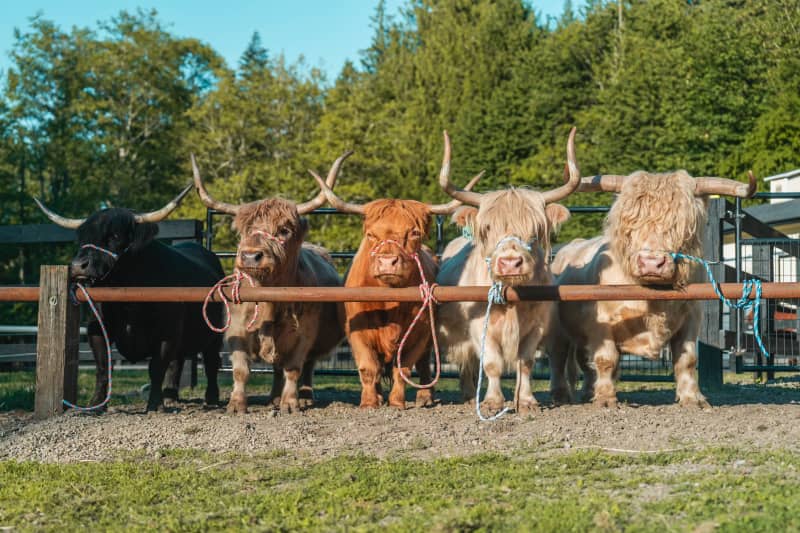
You can buy the perfect mini cow, but if your miniature cow housing & fencing are wrong, you’ll pay in stress, illness, and escape attempts. Many miniature cow owners underestimate the importance of infrastructure. Cattle are strong, smart, and sometimes unpredictable—especially if they feel unsafe.
This post gives you a practical framework for:
- Shelter design basics
- Fencing choices and installation priorities
- Pasture and drainage management
- Low-stress routines that reduce health risks
- Safety planning for both animals and people
Why Miniature Cow Housing & Fencing Matters More Than Most People Think
Housing isn’t only about comfort. It affects:
- Hoof health (wet conditions can cause problems)
- Respiratory health (ventilation and ammonia control)
- Parasite exposure (mud and manure management)
- Stress levels (which impact appetite and immunity)
In short: housing is health care.
Shelter Requirements (Basics That Matter)
Your miniature cows need:
- Protection from wind and rain
- Dry bedding areas
- Space to move without crowding hazards
- Ventilation (without cold drafts)
Key principles:
- Keep bedding dry and replace regularly.
- Ensure you can access animals safely for feeding and grooming.
- Design shelter so manure buildup doesn’t become chronic.
In winter climates, shelter helps maintain comfort, but ventilation is still crucial to prevent moisture-related issues.
Miniature Cow Housing & Fencing: What You Need to Know Before You Buy Material
The goal of fencing is not just to “contain” cows—it’s to prevent:
- Escapes
- Injuries
- Predation risk
- Breeding accidents if you want controlled reproduction
Cows learn gates and routes quickly. Weak points lead to repeated escape attempts.
Common Fencing Types (And How to Choose)
You may see:
- High-tensile fence (often used for pasture containment)
- Woven wire or ranch-style fencing
- Electric fencing (works best with good training and correct setup)
The “best” choice depends on:
- Your terrain
- Your budget
- Predation pressure
- Whether you’re rotating pasture or feeding in paddocks
If you have slopes or uneven ground, the fence line needs special attention because gaps appear at low spots.
Gate Safety and Human Access
Your gates must let you:
- Move animals safely
- Clean areas
- Provide feed without risky handling
- Perform routine health checks
Make sure your pathways don’t create choke points where animals can injure each other or you.
Pasture Management: Rotation, Overgrazing, and Mud Control
Pasture systems determine long-term health.
Overgrazing leads to:
- Poor regrowth
- Nutrient depletion
- Increased parasite risk
- Thinner coats and lower resilience
Mud issues lead to:
- Hoof health problems
- Dirty bedding and more manure contact
- Higher parasite loads
Even if your miniature cows graze, you’ll likely need:
- Dry feeding areas
- A plan for wet seasons
- Bedding replacement schedules
Low-Stress Handling Setup
A stress-free environment improves:
- Daily routines
- Willingness to be groomed and treated
- Safety for everyone involved
Consider:
- A consistent feeding schedule
- A defined handling area (even if simple)
- Training animals to approach you for feed
Cows that trust routines become easier to manage during vet visits.
Amplifying Your Miniature World
Investing in quality miniature cow housing & fencing is the definitive way to elevate your scale projects from simple crafts to immersive, realistic stories. These foundational structures establish architectural context, define spatial boundaries, and instantly command visual attention. Selecting premium, durable materials prevents warping over time and safeguards your creative timeline. Ready to showcase your latest layout or seek real-time feedback from fellow enthusiasts? Join our thriving Facebook community to share your photos and connect with global builders. For a deeper dive into selecting the perfect scale layout and mastering proportions before you begin building, review our previous blog post on choosing the right miniature cow among all the available different breeds…
Conclusion
Miniature cows thrive when their home base is safe, dry, and predictable. If you plan fencing and shelter thoughtfully, you reduce health risks and make routine care much easier. Next, we’ll cover the health and feeding systems that keep your miniature cows in great condition year-round.