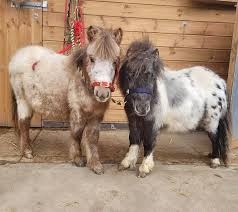
Ultimate Guide to Miniature Horse Care: Diet, Grooming, and Health## Introduction
Miniature horses are charming, intelligent, and incredibly rewarding animals to own. While they look like tiny versions of full-sized horses, their care requirements are highly specialized. Many first-time owners mistakenly treat them exactly like standard horses or, conversely, like oversized dogs. This comprehensive guide covers the essential aspects of miniature horse care, ensuring your mini leads a healthy, vibrant life.
Understanding Miniature Horse Nutritional Needs
Proper nutrition is the cornerstone of miniature horse health. Because of their small stature, minis have a incredibly efficient metabolism. This makes them prone to obesity and related health complications.
Forage Requirements
Forage should make up the bulk of your miniature horse’s diet. High-quality grass hay is the ideal choice. Avoid rich alfalfa hay unless recommended by a veterinarian for nursing mares or growing foals. Alfalfa is too high in protein and calories for the average adult mini.
A good rule of thumb is to feed 1.5% to 2% of your horse’s body weight in forage daily. For a 250-pound miniature horse, this equates to roughly 3.75 to 5 pounds of hay per day. Split this into multiple small feedings to mimic natural grazing behavior and keep their digestive system moving.
Managing Pasture Time
Lush green pastures can be dangerous for miniature horses. The high sugar content in spring and summer grass can trigger metabolic issues. Use a grazing muzzle to limit grass intake while still allowing your mini to socialize with herd mates. Alternatively, utilize dry lots (paddocks without grass) for turnout time.
Concentrates and Supplements
Most miniature horses do not need heavy grain diets. Standard horse feeds are often too calorie-dense. Instead, use a low-calorie balancer pellet to provide essential vitamins and minerals without unnecessary sugars and fats. Always provide clean, fresh water and a plain salt block.
Essential Grooming Routines
Regular grooming keeps your miniature horse looking beautiful and allows you to check for underlying skin issues, injuries, or parasites.
Daily Brushing
Use a rubber curry comb in circular motions to loosen dirt, mud, and shedding hair from the coat. Follow up with a stiff-bristled dandy brush to flick the debris away. Finish with a soft body brush on sensitive areas like the face and legs. Minis grow incredibly thick winter coats, so investment in a high-quality shedding blade or grooming block is essential for spring springtime.
Mane and Tail Care
Miniature horses are famous for their luxurious manes and tails. Use a wide-tooth comb or your fingers to gently detangle hair. Avoid pulling forcefully, which can break the strands. Apply a leave-in conditioner or detangling spray to prevent mats and keep the hair hydrated.
Hoof Maintenance
Hoof care is non-negotiable. Miniature horse hooves grow at the same rate as full-sized horses but carry less weight to naturally wear them down. Schedule a professional farrier visit every 6 to 8 weeks for balancing and trimming. Pick out your mini’s hooves daily using a hoof pick to clear rocks, mud, and prevent thrush—a bacterial infection caused by trapped moisture.
Critical Health Management
Preventative veterinary care keeps serious illnesses at bay. Work with an equine veterinarian to establish a routine healthcare plan.
Vaccination Schedules
Miniature horses require the same core vaccinations as standard horses. These protect against deadly diseases like Tetanus, Eastern and Western Equine Encephalomyelitis, West Nile Virus, and Rabies. Depending on your region and travel schedule, risk-based vaccines for Equine Influenza or Strangles may also be recommended.
Deworming Protocols
Do not rely on rotational deworming schedules. Instead, request a Fecal Egg Count (FEC) test from your vet twice a year. This test identifies the specific parasites present and allows for targeted deworming treatments, reducing the risk of chemical resistance.
Dental Care
Miniature horses have the same number of teeth as large horses, packed into a much smaller jaw. This structural reality makes them highly susceptible to dental overcrowding, misalignments, and sharp enamel points. Schedule a dental exam at least once a year. Floating (filing down sharp points) keeps them comfortable and eating efficiently.