How to Care for Miniature Donkeys in the USA: Feeding, Water, Treats, and Daily Routine
Click to see previous post Healthy & Adorable Miniature Donkeys for Sale (USA)
If you’ve been searching for miniature donkeys for sale, or learning to care for miniature donkeys you may already know they’re lovable and low-maintenance—until you realize “low-maintenance” still requires the right foundation. The biggest difference between a healthy mini donkey and a struggling one is usually care basics: forage, water, hoof health, and routine observation(care for miniature donkeys).
This guide focuses on feeding and daily care you can apply anywhere in the USA—whether you’re in Texas, the Midwest, the Pacific Northwest, or up north.
The #1 rule: Forage first
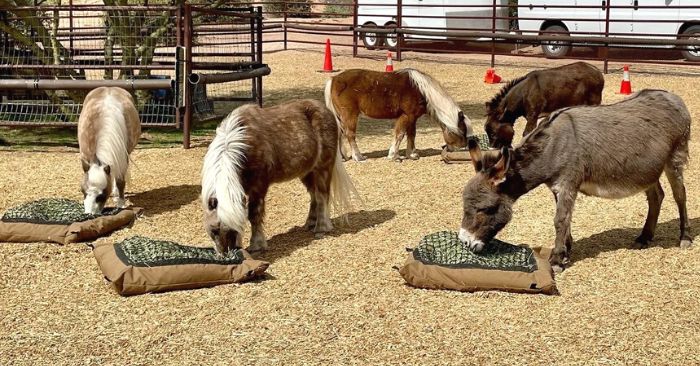
Care for miniature donkeys mostly starts with forage. Think of it this way:
- hay and grass provide fiber for digestion,
- fiber supports gut health,
- and fiber helps keep donkeys comfortable.
Depending on the donkey’s condition and your pasture quality, you may offer:
- hay as the primary feed,
- managed grazing time,
- and limited supplemental feed when necessary.
Create a simple feeding schedule
A consistent routine is one of the best health tools you have. Many owners do something like:
- Morning: fresh hay + water check
- Midday (if needed): additional hay or browse
- Evening: measured hay + final water check
Some donkeys also prefer small, frequent forage portions instead of one large meal. Watch your donkey’s behavior—healthy donkeys tend to graze or chew steadily.
What type of hay should you use?
There are many hay types (grass hay, legume hay), and the best choice depends on:
- the donkey’s body condition,
- pasture access,
- and any health considerations.
If you’re unsure, start by asking the seller what they’ve been feeding. Then transition gradually if you change hay. Sudden changes can lead to digestive upset.
Pellets/cubes: only when they’re needed
Pellets and cubes can be helpful for some donkeys (for example, if a donkey needs added calories or nutrients). But they can also cause overweight issues if used casually.
If you’re introducing pellets:
- measure portions carefully,
- transition slowly,
- and monitor weight and stool consistency.
When you’re searching for miniature donkeys for sale, ask what supplemental feeds—if any—are part of their routine. That makes your first month easier.
Water: never “almost enough”
Water is non-negotiable concerning care for miniature donkeys. Donkeys need clean water daily. Make sure:
- buckets are cleaned regularly,
- troughs don’t overflow into mud,
- and water isn’t freezing in winter.
Dehydration impacts digestion and appetite—so keep water accessible and clean.
Treats: safe bonding with controlled amounts
Treats are how many owners bond, but treats should not replace forage. If you want to use treats:
- use small portions,
- choose safe options,
- and avoid sugary or overly starchy foods.
A healthy “treat mindset” is:
- forage = nutrition
- treats = tiny rewards
When in doubt, choose extra hay or safe browse rather than “snack-style” feeding.
Mineral and salt: don’t guess blindly
Many owners provide mineral blocks intended for equines. The key is:
- choose a mineral appropriate for donkeys/horse use,
- ensure consistent availability,
- and consult a vet if you’re unsure.
Because soil and hay nutrient levels vary widely across the USA, mineral needs differ by region.
Monitor droppings and appetite
One of the easiest health checks you can do daily is:
- Are they eating normally?
- Are droppings formed and consistent?
- Is the donkey moving comfortably?
- Changes in appetite or stool often show up before major symptoms become obvious in care for miniature donkeys.
Watch for weight changes
Miniature donkeys can gain weight if pasture is too rich or if feed is too generous. Signs include:
- increasing body fat along the back and hips,
- difficulty staying active,
- reluctance to move long distances.
If your donkey is gaining, you may need to:
- reduce grazing time,
- choose different hay/portion sizes,
- and avoid extra treats.
If your donkey is losing weight, investigate:
- dental/chewing issues,
- stress after relocation,
- parasite load,
- or overall health issues requiring veterinary attention.
A practical daily care routine
Here’s a routine many successful owners follow:
- Morning: fresh hay + water check
- Quick health scan: appetite, posture, stool
- Hoof check: visible cracks, debris, heat sensitivity
- Evening: fresh hay/forage + final water check
- Weekly: clean shelter, review bedding dryness, check fence condition
- Monthly: weigh/monitor body condition and plan hoof/farrier schedule
First-month care matters most
If you recently bought miniature donkeys for sale, or learning to care for miniature donkeys, the first month is when problems most often happen—not because you’re doing “bad care,” but because the transition is stressful. The best way to prevent issues is:
- keep diet stable,
- observe daily,
- and schedule care early (hooves, vet check if needed, routine maintenance).
FAQ: Feeding & Care for Miniature Donkeys
1) What should I feed my miniature donkey every day?
High-quality forage (hay and/or managed grazing) plus clean water. Pellets and supplements only if recommended.
2) How much should I feed?
Portions depend on body condition, hay quality, and pasture access. Start with the seller’s routine and adjust slowly based on weight.
3) Can miniature donkeys eat grass?
Yes, but pasture must be managed to avoid overweight and digestive issues.
4) Are treats okay?
Yes, but keep them small and infrequent. Avoid anything sugary or starchy.
5) What’s the best daily routine?
Fresh forage, clean water, quick health observation, and consistent shelter/hoof checks.
Closing: Healthy Mini Donkeys Start With Simple Consistency
If you want your miniature donkey to thrive, focus on:
- forage-first feeding,
- clean water,
- careful treat control,
- and daily observation.
If you want, I can turn this into a Texas-style seasonal feed section (summer heat vs. winter cold) while keeping it USA-friendly for national SEO.