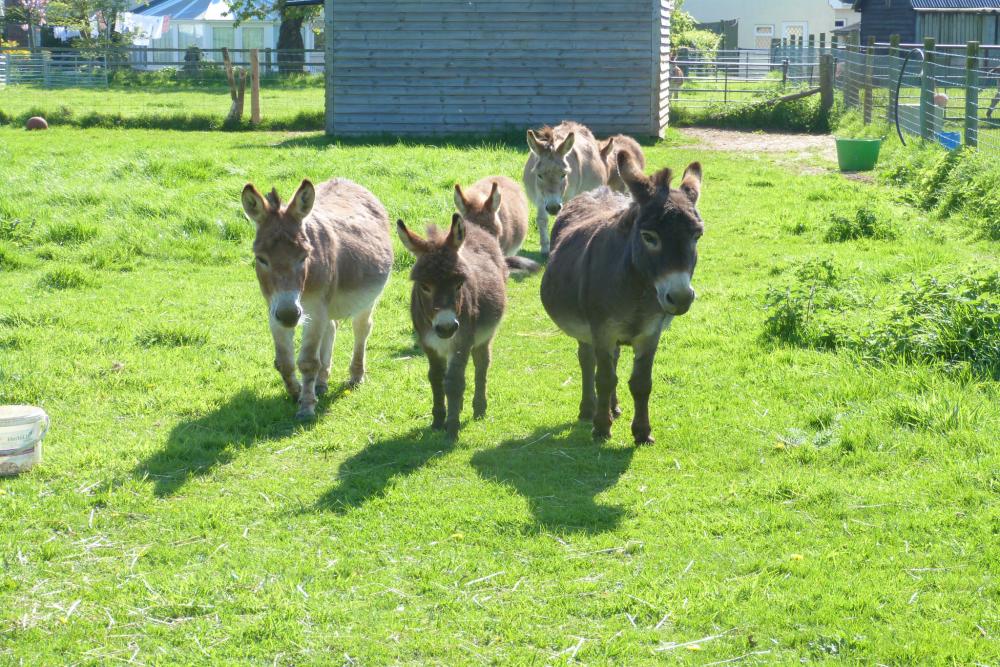
1) Miniature Donkeys for Sale (USA):
How to Choose a Healthy Companion from Little Livestock Lane
Buying miniature donkeys for sale in the United States can feel exciting—until you realize how many decisions matter: the donkey’s age, health history, temperament, feeding background, hoof condition, and even where it was raised. A “cute” mini donkey is not the whole story. The best owners choose smartly and plan carefully, because miniature donkeys are long-term companions that thrive with consistent care.
If you’re searching for “miniature donkeys for sale” and considering Little Livestock Lane, this guide will help you understand what to look for and what questions to ask—so you bring home a healthy donkey and set yourself up for years of success.
Why buying a miniature donkey is more than a purchase
Miniature donkeys are hardy and personable, but they still have specific needs:
- forage-based diets,
- routine hoof maintenance,
- weather protection,
- safe fencing,
- and social interaction.
That’s why the buying process should start with preparation. The donkey’s needs don’t magically begin after the sale—they begin the day you evaluate the animal.
Step 1: Decide what type of donkey fits your household
When you look at miniature donkeys for sale, sellers may offer different categories:
- Geldings (castrated males): often a good choice for first-time owners and many household setups.
- Jennies (females): can be wonderful companions, but you should ask about health history, reproductive status, and temperament.
- Age matters: foals/kids, juveniles, and adults each require different handling and care expectations.
Before you commit, ask yourself:
- Do you want a baby donkey (more training and more monitoring) or an adult (usually more predictable temperament)?
- Do you want an animal that’s already trained for routine handling?
- Are you prepared for hoof care as the donkey grows?
Step 2: Ask for health information before you choose
A reputable seller will be transparent about health and routine care. When shopping for miniature donkeys for sale, request details such as:
- deworming schedule (and last dose date),
- vaccination status (where applicable),
- recent vet checks or health evaluations,
- hoof trimming or farrier schedule,
- diet history (what they’re currently eating),
- and how the donkey has been housed.
Even if you’re buying across states, you can still learn a lot from health records and clear answers.
Step 3: Evaluate body condition (without guessing)
You can learn a lot from the donkey’s body condition score:
- Healthy weight typically looks steady through the ribs and along the back without extreme thinness or excessive fat.
- Underweight donkeys may be dealing with poor forage intake, dental issues, parasites, or stress after a change.
- Overweight donkeys may need tighter pasture management and diet adjustments.
Donkeys can be “small” and still unhealthy if their needs aren’t met. So avoid choosing solely based on size.
Step 4: Look at behavior—temperament is a care indicator
When buyers search miniature donkeys for sale, they often focus on friendliness. That matters, but so does what “friendliness” means:
- Does the donkey approach calmly?
- Does it eat readily?
- Does it allow gentle handling without fear or aggression?
- Is it alert and aware of its surroundings?
A calm donkey usually transitions better to a new home. That said, any new arrival can be stressed. What you’re looking for is overall comfort and stability.
Step 5: Check hooves (this is a big deal)
Hooves are one of the most important parts of donkey health. Before purchase, try to get clear photos or a direct look:
- Are the hooves trimmed and balanced?
- Any signs of cracking, excessive overgrowth, swelling, discharge, or odor?
- Is the donkey limping or moving stiffly?
Even if the donkey looks fine, an upcoming hoof issue can become painful quickly. Choosing a donkey with clean hoof health reduces problems later.
Step 6: Ask what the donkey has been eating
Feeding consistency is one of the biggest success factors. When you’re choosing from miniature donkeys for sale listings, ask:
- What type of hay is it eating?
- Is it grazing pasture? How much and how often?
- Does it receive pellets/cubes? If yes, how much?
- What treats (if any) are used?
- Have there been recent diet changes?
Sudden feed changes can upset digestion. The smoothest transitions come from stable forage routines.
Step 7: Housing background matters
A donkey raised in a clean, dry, safe environment tends to have fewer health issues than one raised in constantly muddy conditions. Ask:
- What shelter is available?
- Is bedding used and kept dry?
- Are they kept in groups or separated?
- Are they housed in a pasture with safe drainage?
If you’re in Texas, you may have different weather patterns than many other states—but the principles are the same: dry shelter + safe footing + routine care.
Step 8: Plan your first 30 days after bringing your donkey home
No matter how carefully you choose, the relocation itself is a stressor. Your job as an owner is to make the first month stable and gentle.
A practical 30-day plan:
Week 1
- Provide fresh water and quality hay immediately.
- Keep stress low—quiet space and predictable routine.
- Observe appetite, stool, and comfort.
Week 2
- Add gentle interaction (short sessions, calm handling).
- Keep diet stable; don’t introduce new feed too quickly.
- Start thinking about a hoof inspection schedule.
Weeks 3–4
- Confirm the donkey is adjusting normally.
- Keep up with deworming and vet planning (based on seller info and local vet guidance).
- Continue consistent feeding times.
Step 9: Budget for long-term care
Miniature donkeys for sale isn’t “buy once and forget.” You’ll need ongoing supplies and maintenance:
- hay/forage
- water containers or trough maintenance
- mineral and supplements (as recommended)
- routine vet care
- hoof trimming schedules
- fencing and shelter upkeep
- bedding and manure management
When you budget properly, caring for a mini donkey becomes manageable—and more enjoyable.
Step 10: Choose a companion if possible
Donkeys are herd animals. If you can, many owners find it easier when their donkey has a buddy. Some options:
- adopt a pair,
- match with a compatible donkey,
- or ensure daily social interaction.
Lonely donkeys may become anxious, vocal, or less interested in eating.
FAQ: Miniature Donkeys for Sale (USA) — Buying & Choosing
1) What should I ask before buying miniature donkeys for sale?
Ask about deworming, vaccinations (if applicable), diet history, hoof trimming schedule, health records, and the donkey’s temperament.
2) How do I make transportation safer for a donkey?
Minimize stress, provide safe ventilation, keep movement calm, and plan for arrival setup immediately (water + hay + shelter).
3) Are miniature donkeys good for first-time owners?
Often yes—if you can provide forage, hoof care, and consistent routines.
4) What is the most common mistake new donkey owners make?
Usually sudden diet changes, poor hoof maintenance, or inadequate shelter/fencing.
5) Does Little Livestock Lane help with after-purchase guidance?
The best sellers provide care recommendations, feeding transition tips, and care priorities (hooves, forage, shelter).
Closing: Choosing Correctly Gives You Years of Joy
When you buy miniature donkeys for sale from Little Livestock Lane, your goal should be more than “getting a donkey.” Your goal is to bring home a healthy animal and provide the environment and routine that allows it to flourish. You can also check us on Instagram or Facebook with just a click…