Feeding & Health for Miniature Cows: Daily Routines, Vet Basics, Parasite Control, and Common Problems
Introduction
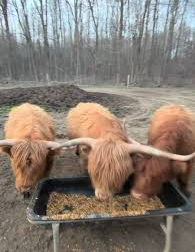
Feeding & health for miniature cows(care) are where success becomes visible. Two owners can have the “same breed” and “similar size animals,” yet one herd looks glossy, calm, and strong while the other struggles.
Why? Routine. Consistency. Monitoring. And using prevention instead of reacting too late.
In this post, you’ll get a clear system for:
- Feeding rules of thumb
- Body condition monitoring
- Deworming and parasite control concepts
- Vaccination planning with your vet
- Hoof care basics
- Early warning signs and common mini cow problems
Step 1: Build a Daily Routine (Yes, Even on Busy Days)
A daily “walk-and-check” is one of the best tools you have. Your routine can be simple:
- Check appetite at feeding time
- Observe manure consistency
- Look for signs of discomfort when moving
- Check water access
- Quick scan for coat condition and alertness
If something feels “off,” you investigate early—before it becomes a bigger issue.
Step 2: Feeding Basics That Prevent Weight Problems
Miniature cows still require balanced nutrition. Many health issues come from:
- Inconsistent feed availability
- Overfeeding concentrates
- Underfeeding during seasonal transitions
- Incorrect mineral support
- Poor-quality hay
A practical feeding approach:
- Base your diet on high-quality forage
- Supplement only as needed
- Keep water clean and accessible
- Use minerals appropriately
- Adjust slowly when seasons change
Step 3: Body Condition Scoring (How to Avoid “Too Thin” and “Too Fat”)
You don’t need to be a veterinarian to assess condition. Body condition scoring teaches you whether your cow needs:
- More energy (too thin)
- Better forage balance
- Or fewer calories (too fat)
Avoid drastic changes. Adjust gradually to prevent digestive stress.
Step 4: Parasite Control (Conceptual Overview)
Parasites are a common issue in grazing systems. The best strategy includes:
- Understanding local parasite pressure
- Rotating pasture if possible
- Using fecal testing where recommended
- Following deworming guidance from a vet
Because parasite resistance can develop, many responsible owners focus on targeted treatment rather than “blind” frequent deworming.
Step 5: Vaccinations and Preventive Care
Vaccination schedules are location-dependent. Work with a cattle-experienced veterinarian to create a plan based on:
- Regional disease risks
- Your herd setup
- Whether you introduce new animals
- Your local seasonal patterns
Instead of guessing, build a preventive plan you can stick to.
Step 6: Hoof Care and Mobility Checks
Hoof health is often overlooked until it becomes serious. Your prevention checklist:
- Observe walking and stance regularly
- Keep bedding dry
- Address muddy areas proactively
- Plan routine trims as advised
If your cow limps or shifts weight, don’t wait.
Common Miniature Cow Problems (And What They Often Indicate)
Some signs you should take seriously:
- Reduced appetite
- Water refusal or low drinking
- Diarrhea or unusual manure
- Lethargy or isolation
- Rough coat or abnormal breathing
- Limping or reluctance to move
- Swollen areas or painful posture
Often, these signs point to issues like:
- Internal parasites
- Nutritional imbalance
- Hoof problems
- Respiratory infections
- Stress and environmental factors
The key is early response.
After feeding & health for miniature cows, the next big step is growth and long-term planning: breeding, herd management, and making sure your miniature cow system stays sustainable. That’s what Post 5 covers.
Conclusion
Feeding & health for miniature cows is about systems, not guesswork. Build daily routines, monitor body condition, prevent parasite problems, and work with a vet for vaccinations and targeted care. With that foundation, your miniature cows can enjoy healthy, long lives—and you’ll be ready for the final article in this series: breeding and long-term herd management. In the previous post we did not talk about feeding & health for miniature cows but we talked about their housing and fencing… Click to see previous post and also to see our socials( Facebook & Instagram)….