Designing the Perfect Miniature Horse Barn and Pastures
Creating a safe, functional, and comfortable environment for your miniature horse(miniature horse barn) is crucial for their well-being. Because of their unique size, standard horse infrastructure often falls short. From fencing height to stall dimensions, designing a habitat specifically tailored to miniature horses prevents injuries, simplifies daily chores, and keeps your animals secure.
To see previous post about miniature horse training tips click the link ahead Miniature Horse Training Tips: From Basic Manners to Cart Driving & Heal(1)
Barn and Shelter Dimensions
A standard horse stall can feel like a lonely warehouse to a mini, while an undersized shed can cause safety hazards. Customizing your shelters ensures optimal comfort.
Stall Size
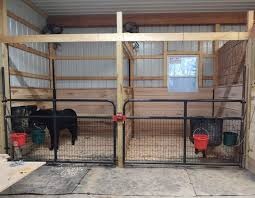
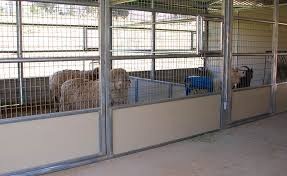
For an individual miniature horse, a stall measuring 6×6 feet or 8×8 feet is perfect. This gives them plenty of room to turn around, lie down, and sleep comfortably, while making cleaning efficient for you. If you are housing a foaling mare, opt for a larger 10×10 foot space. (miniature horse barn)
Ceiling and Door Heights
While high ceilings are excellent for ventilation, ensure that stall doors and partitions are modified. Drop the height of stall doors so your mini can look out over the top. A door height of 32 to 36 inches allows them to see barn activity, which reduces boredom and stress. Ensure the gap underneath the door is less than 2 inches so small hooves cannot get trapped. (miniature horse barn)
Ventilation
Good air circulation prevents respiratory issues like heaves. Install windows or vents high on the walls to draw fresh air in without creating harsh, direct drafts at ground level where your miniature horse rests.
Selecting Safe Fencing
Miniature horses are notorious escape artists. They can easily slip under high bottom rails or squeeze through wide gaps.
Fencing Types
- Mesh Fencing: No-climb woven wire mesh (with 2×4 inch openings) is the gold standard for miniature horses. It prevents them from putting their heads or hooves through the fence.
- Wood or Vinyl Rails: If using post-and-rail fencing, space the rails closely. You will need 3 to 4 rails, with the bottom rail positioned no more than 12 inches off the ground.
- Electric Fencing: High-tensile electric wire or poly-tape can be highly effective. Place strands at roughly 12, 24, and 36 inches from the ground to prevent them from crawling under or leaning over. (miniature horse barn)
Fence Height
The top of your perimeter fence should be at least 4 feet (48 inches) high. While minis rarely jump high fences, this height prevents predators from entering and keeps larger animals separated. (miniature horse barn)
Waterers, Feeders, and Functional Layouts
Standard barn fixtures are mounted too high for a miniature horse to reach comfortably or safely.
Low-Profile Feeders
Mount grain tubs and hay racks at chest height for your mini—roughly 18 to 24 inches off the ground. Avoid high hay nets; they force the horse to eat with an unnatural head carriage, increasing the risk of dust inhalation, eye irritation, and tangled legs. (miniature horse barn)
Water Access
Automatic waterers must be installed at a low height, or step blocks must be provided. If using standard 5-gallon buckets, hang them securely so the rim sits at or below the horse’s shoulder level. Check daily to ensure small minis can easily drink to the bottom of the bucket. (miniature horse barn)
Paddock and Dry Lot Design
Incorporate a dedicated dry lot into your farm layout. This is a gravel, sand, or dirt paddock devoid of grass. It allows your minis to exercise outdoors without the risk of overeating on lush pasture, making weight management much simpler.